Celtic Fire Festival Series
Presented by the Pittsburgh Irish Festival and ANAM Arts
Rooted in ancient tradition and reimagined for today, the Celtic Fire Festival Series is a seasonal journey through the sacred rhythms of the Celtic year. Presented by the Pittsburgh Irish Festival and ANAM Arts, this immersive event series invites audiences to gather, reflect, and celebrate at key turning points on the Celtic calendar.
Inspired by ancient festivals such as Imbolc, Bealtaine, Lughnasadh, and Samhain, each installment blends live music, storytelling, ritual, and visual art to create a deeply atmospheric experience. Fire—both literal and symbolic—serves as the unifying element, representing transformation, renewal, and connection.
From the first stirrings of spring to the quiet descent into winter, the series offers a space to pause and reconnect—with nature, with community, and with ourselves. Audiences can expect powerful performances by regional and international artists, interactive elements, and moments of reflection woven throughout each event.
Whether you’re drawn by heritage, artistry, or the simple magic of gathering around the fire, the Celtic Fire Festival Series offers a unique cultural experience that honors the past while igniting the present.
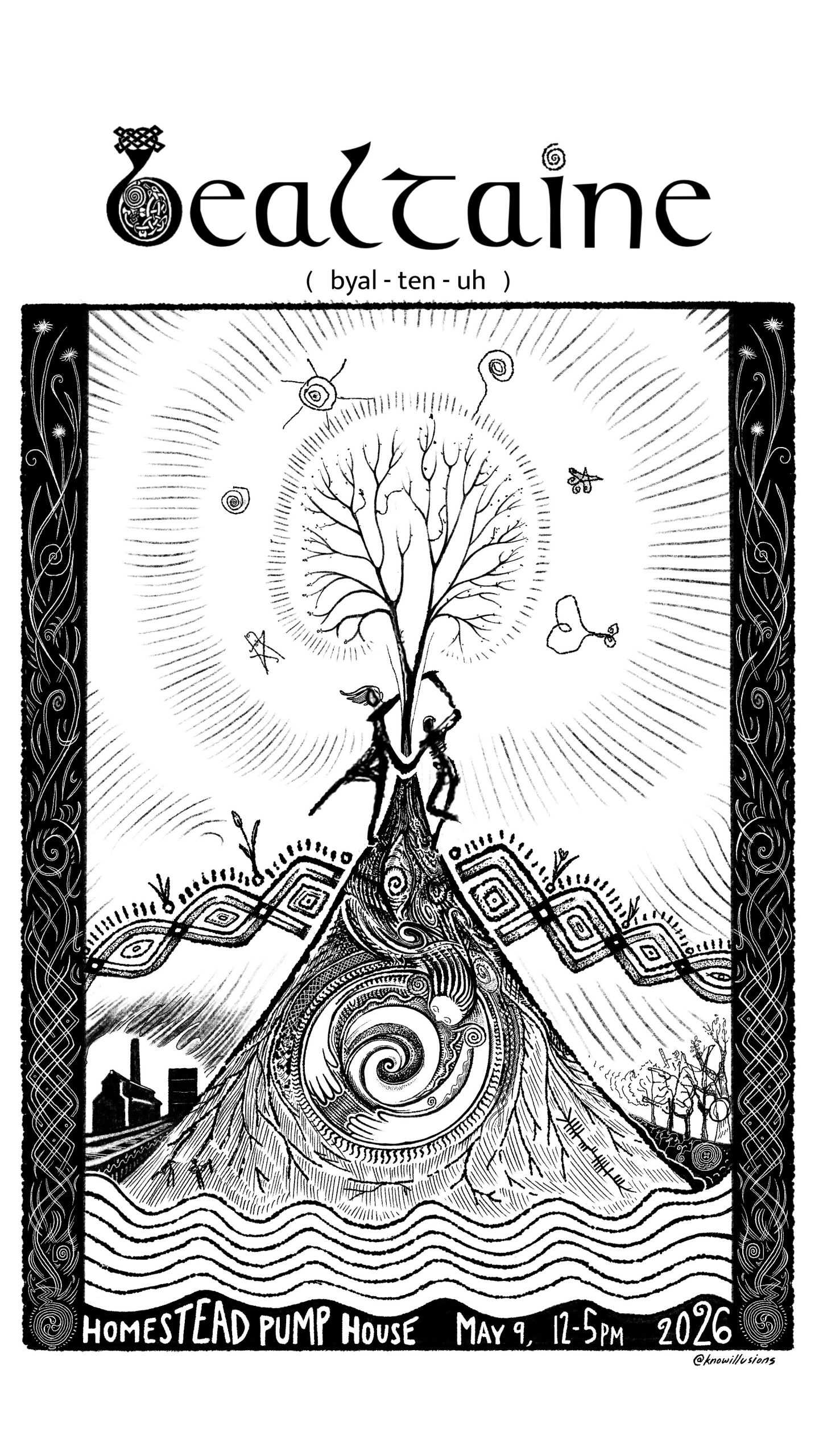
Bealtaine – A Celtic Festival to Welcome Summer
rooted, we rise anew
springing from the earth
honoring our shared Mother
our music and dance
songs of the soul
welcome whispers
on the wind of
summer’s return
Step into a modern echo of Bealtaine, the ancient Irish festival celebrating the midpoint between the Spring Equinox and Summer Solstice. Through music, dance, art-making and community ritual, let’s harness the transformative power of the ’bright fire’ returning within!
Bealtaine will be held on Saturday, May 9 at The Pump House (880 E Waterfront Drive, Homestead) from 12 – 5 pm.
Get your tickets now here!
Learn more about Bealtaine’s history and traditions here and here.
Lughnasadh
Samhain
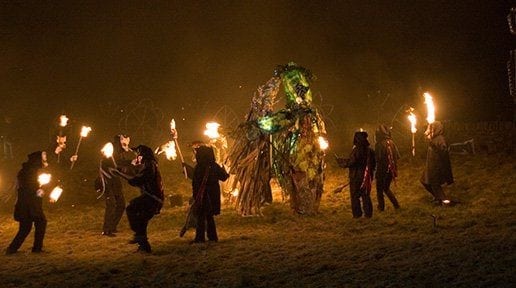
Samhain (pronounced SOW-in or SAH-win) marks the final harvest and the turning point into the darker half of the Celtic year. Traditionally observed on November 1 (with celebrations beginning the evening before), it is one of the most sacred and powerful festivals in the ancient Celtic calendar—standing alongside Imbolc, Bealtaine, and Lughnasadh as a key seasonal threshold.
At Samhain, it was believed that the veil between worlds—the living and the ancestral—grew thin. Communities gathered around great fires to honor those who came before, to seek guidance, and to prepare for the stillness and introspection of winter. Rituals often included lighting protective fires, sharing stories, offering food to spirits, and embracing both the mystery and the wisdom of the dark.
As the origin of many modern Halloween traditions, Samhain carries a legacy of symbolism—costumes, lanterns, and the interplay between light and shadow—all rooted in ancient practices of protection, transformation, and remembrance.
In the Celtic Fire Festival Series, Samhain is reimagined as an immersive, atmospheric experience. Fire once again becomes the central element—guiding, protecting, and illuminating—as audiences gather for an evening of live music, storytelling, ritual performance, and visual art. The event invites reflection on cycles of life and loss, the honoring of ancestry, and the quiet power found in darkness.
Both haunting and beautiful, Samhain offers a space to pause at the threshold—releasing what has passed, honoring what remains, and stepping intentionally into the season ahead.
Stay tuned for the Pittsburgh Irish Festival and ANAM Arts’ Samhain plans!
Imbolc
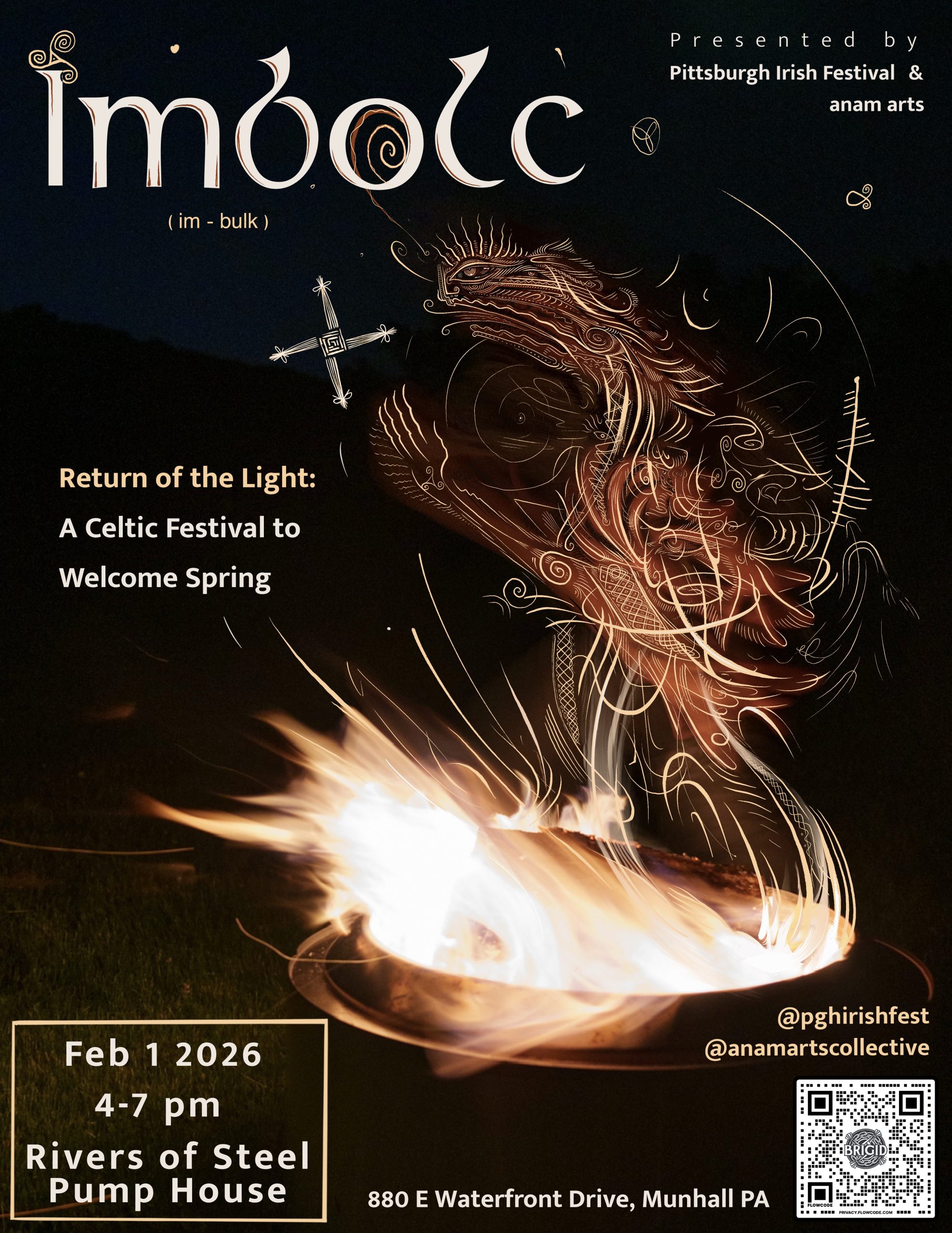
Imbolc 2026 was held on Sunday, February 1 at The Pump House: Return of the Light: A Celtic Festival to Welcome Spring (presented by PIF, and ANAM Arts) at The Pump House.
Beneath the vitalizing light of the full moon, step into a modern day experience of IMBOLC, the ancient Celtic tradition honoring the midway point between the winter solstice and the spring equinox. Seasonally at this time, seeds stir ‘in the belly’ of the Earth, and in our own bodies-hearts-minds, as the dark of winter’s decay transitions into the light of spring’s renewal. In collaboration with Anam Arts, guests joined the Pittsburgh Irish Festival team as we gathered around the fire to tend the flame of renewal in ourselves and in our community through music, dance, ritual connection, and all around good craic.